The Science Behind Ceramic Backing for Superior Welds
Understanding Ceramic Backing in Welding
What is Ceramic Backing?
Ceramic backing refers to a specialized material used in welding processes to support and enhance the quality of welds. Typically composed of ceramic materials, this backing serves as a crucial element in various welding techniques, including TIG (Tungsten Inert Gas) and MIG (Metal Inert Gas) welding. Its primary function is to provide a stable surface that helps control the heat distribution during the welding process. This control is vital for achieving superior welds, especially when working with metals like aluminum that require precise temperature management. The use of ceramic backing can significantly influence the overall integrity of a weld, making it a popular choice among professional welders.
The Role of Ceramic Materials in Weld Quality
Ceramic materials play a pivotal role in enhancing weld quality by acting as a thermal barrier. They absorb and dissipate heat effectively, which helps maintain the desired temperature range during welding. This temperature control minimizes the risks of warping and distortion, particularly in thin materials. Furthermore, ceramics possess high resistance to thermal shock, allowing them to withstand the intense heat generated during the welding process without degrading. This durability ensures that the backing remains intact throughout the weld, contributing to a consistent and high-quality product. Welders can achieve cleaner, stronger joints with the aid of ceramic materials, reducing the likelihood of defects and the need for rework.
Types of Ceramic Backing Materials for Different Welds
Various types of ceramic backing materials are available, each tailored for specific welding applications. For instance, some ceramic backings are designed for high-temperature applications, while others are formulated to be more flexible for intricate geometries. Common ceramic backing materials include alumina, zirconia, and silicon carbide, each offering unique properties that cater to different welding requirements. Aluminabased ceramics excel in providing excellent thermal insulation, making them ideal for TIG welding. In contrast, zirconia ceramics offer superior wear resistance, making them suitable for high-volume applications. Understanding the distinct characteristics of these ceramic backing materials allows welders to select the most appropriate option for their specific projects, optimizing both performance and quality.
Advantages of Using Ceramic Backing for Superior Welds
Enhanced Weld Integrity and Strength
The use of ceramic backing significantly enhances weld integrity and strength. By providing a stable surface, ceramic materials prevent excessive heat loss, which can weaken the weld. This stability ensures that the molten metal fuses properly, creating a strong bond between the pieces being welded. Welders often report that the presence of ceramic backing reduces the likelihood of porosity and other defects, leading to cleaner, more reliable welds. With superior weld integrity, structures can withstand greater stress and loads, making ceramic backing an essential component in applications where safety and durability are paramount. This advantage is particularly crucial in industries such as construction and automotive manufacturing, where the strength of welds directly impacts the performance and safety of the final product.
Improved Heat Management during Welding
Effective heat management remains one of the standout advantages ceramic backing for welds of ceramic backing. The thermal properties of ceramics allow welders to maintain optimal temperatures throughout the welding process. This control not only prevents overheating but also minimizes distortion in metals, particularly during the welding of thin sheets. Proper heat management also contributes to a more uniform weld bead appearance, enhancing the overall aesthetic of the finished product. In processes like MIG and GMAW (Gas Metal Arc Welding), the use of ceramic backing allows welders to focus on technique rather than constantly adjusting parameters to compensate for heat loss. As a result, welders can achieve consistent results with less effort, improving productivity and reducing operational costs.
Reduced Contamination and Defects in Welds
Ceramic backing plays a crucial role in reducing contamination and defects during the welding process. By acting as a barrier, ceramic materials help prevent impurities from entering the molten weld pool. This reduction in contamination leads to cleaner welds, which are essential for maintaining the structural integrity of the finished product. The risk of defects such as slag inclusions and porosity decreases significantly with the use of ceramic backings, as they provide a controlled environment for the weld to form. Additionally, the smooth surface of ceramic materials minimizes the chances of oxidation, further enhancing the quality of the weld. For welders, this translates to less time spent on post-weld cleanup and inspection, ultimately improving efficiency.
Applications of Ceramic Backing in Various Welding Techniques
Ceramic Backing in TIG and MIG Welding
Ceramic backing finds extensive applications in both TIG and MIG welding processes. In TIG welding, where precision is paramount, ceramic backings help maintain the necessary heat levels for optimal fusion. The stability of the ceramic backing allows welders to produce high-quality welds in critical applications, such as aerospace and medical device manufacturing. In MIG welding, ceramic backings assist in managing the heat generated by the welding arc, preventing burn-through in thinner materials. This versatility makes ceramic backing an invaluable tool for welders across various industries, enabling them to tackle a range of welding projects with confidence.
Utilization in Plasma Cutting and Laser Welding
Beyond traditional welding techniques, ceramic backing also plays a significant role in plasma cutting and laser welding. In plasma cutting, ceramic materials help define the kerf and ensure a clean cut by controlling the heat transfer. This precision is essential for applications requiring high tolerances and minimal material wastage. Similarly, in laser welding, ceramic backings provide thermal stability, allowing for rapid welding speeds without compromising quality. The ability to maintain consistent heat levels contributes to the overall efficiency of the welding process, making ceramic backing a vital component in advanced welding technologies.
The Impact on Welding in the Marine Industry
The marine industry benefits significantly from the use of ceramic backing in welding applications. Shipbuilding and repair require welds that can withstand harsh environments and high stress. Ceramic backing enhances the strength and integrity of these welds, ensuring that vessels can endure the rigors of sea travel. Additionally, the resistance to corrosion provided by high-quality ceramic materials contributes to the longevity of marine structures. Welders working in this industry often rely on ceramic backing to achieve the durability required for components exposed to saltwater and extreme weather conditions, making it an essential tool for maintaining safety and performance standards.
Future Trends and Innovations in Ceramic Backing for Welding
Automation and Robotics in Welding with Ceramic Backing
Automation and robotics are transforming the landscape of welding, and ceramic backing is at the forefront of this evolution. Automated welding systems benefit from the consistent performance of ceramic materials, ensuring that welds maintain high quality even in high-speed applications. Robotics equipped with advanced sensors can precisely control the welding parameters, optimizing the use of ceramic backing to enhance weld integrity. As technology advances, the integration of automation in welding processes will likely lead to further innovations in ceramic backing materials, improving their effectiveness and affordability for welders.
Gullco International and Voestalpine Innovations
Industry leaders like Gullco International and Voestalpine are pioneering innovations in ceramic backing technology. Gullco specializes in automated welding solutions that incorporate advanced ceramic backing materials to improve weld quality and efficiency. Their products aim to streamline the welding process, minimizing the need for manual adjustments and maximizing output. Voestalpine focuses on developing specialized ceramic materials that enhance performance in demanding welding applications. The collaboration of these companies with welding professionals leads to continuous improvements in ceramic backing, ensuring that welders have access to the best tools for achieving superior welds.
The Role of Protective Gear in Enhancing Welding Safety
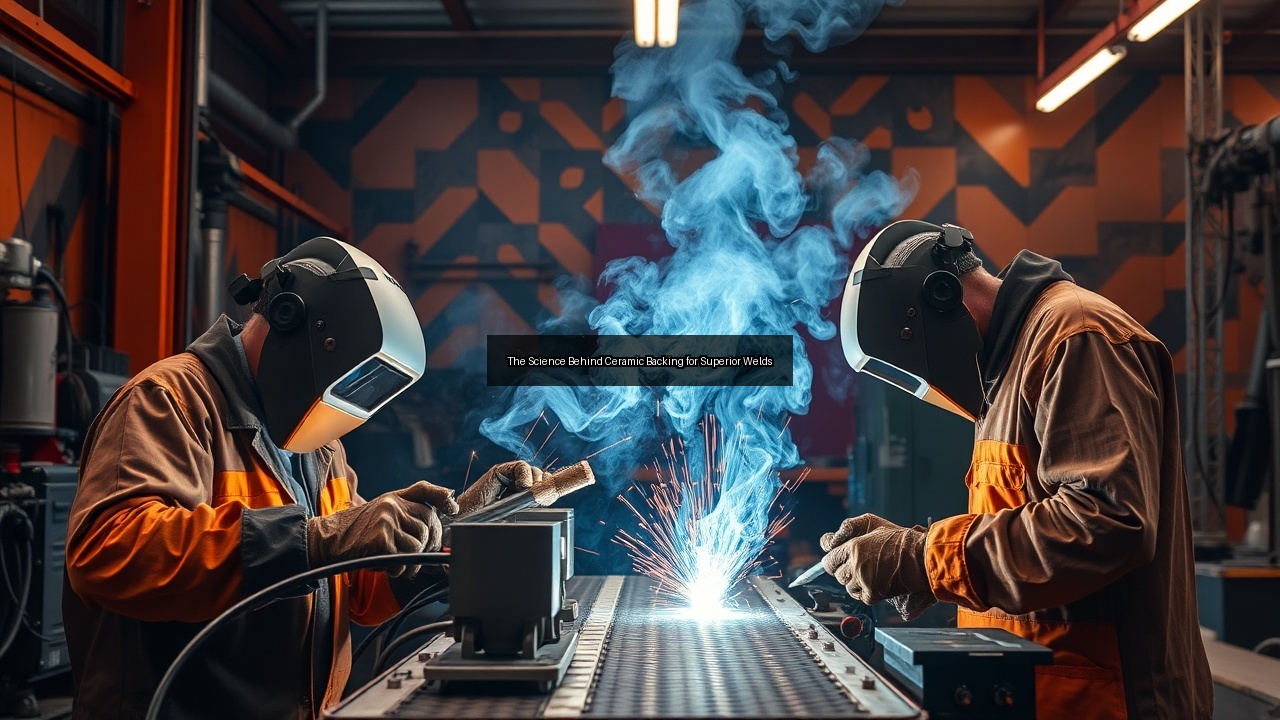
While ceramic backing significantly improves weld quality, the importance of protective gear in welding cannot be overstated. Welding helmets, gloves, and other protective gear ensure the safety of welders while they work. As ceramic backing reduces the risk of defects and enhances overall welding integrity, it complements the safety measures taken by welders. Innovations in protective gear, such as lightweight materials and better visibility, further enhance the welding experience. Ensuring that welders are equipped with the right protective gear not only safeguards their health but also contributes to achieving high-quality welds consistently.