Packaging Innovations Driven by Outsourced Assembly Services
The Role of Outsourced Assembly Services in Modern Packaging Innovations
Transforming Packaging Efficiency
Outsourced assembly services play a pivotal role in revolutionizing packaging efficiency. By leveraging specialized knowledge and state-of-the-art equipment, these services streamline production processes, allowing companies to focus on their core competencies. Instead of investing heavily in in-house assembly lines, businesses can outsource this function, freeing up valuable resources. This shift not only reduces overhead costs but also enhances operational agility. For instance, manufacturers can quickly adapt to changes in demand without the burden of maintaining a full-scale assembly operation. The result? A more responsive approach to market fluctuations, ultimately leading to improved customer satisfaction and loyalty.
Moreover, outsourced assembly services introduce innovative manufacturing techniques that enhance efficiency. Techniques such as modular assembly allow for parallel processing, where multiple components are assembled simultaneously. This significantly reduces the time required for product completion. With advanced logistics and supply chain management, outsourced assembly providers ensure timely delivery of packaged products, further solidifying their value in modern manufacturing. In this environment, businesses that adopt outsourced assembly services not only improve their operational efficiency but also position themselves to harness new innovations in packaging design.
Enhancing Time-to-Market Capabilities
In today’s competitive landscape, time-to-market capabilities represent a critical advantage. Outsourced assembly services enable companies to accelerate their product launches by tapping into established manufacturing networks. These services often feature optimized processes that enhance speed without compromising quality. By outsourcing assembly, businesses can transition from concept to market-ready products more swiftly than ever before.
For example, a company developing a new automotive packaging solution can collaborate with an outsourced assembly provider that specializes in automotive applications. This partnership allows the company to leverage the provider's existing knowledge and infrastructure, significantly reducing development timelines. The result is a faster delivery of innovative packaging solutions that meet evolving consumer demands.
The rapid integration of outsourced assembly services into the production cycle also facilitates iterative testing and refinement. Companies can quickly gather feedback from early product releases, allowing for adjustments before full-scale production. This iterative approach minimizes the risk of costly errors and enhances overall product quality. As a result, businesses that embrace outsourced assembly services often find themselves at the forefront of their industries, consistently delivering cutting-edge products on time.
Integration of Advanced Assembly Lines
Outsourced assembly services bring advanced assembly line integration to the forefront of packaging innovations. These services utilize cutting-edge technologies such as robotics and automated systems to enhance precision and efficiency in the assembly process. Automation reduces the potential for human error, ensuring consistent quality across all packaged products.
Furthermore, the integration of smart manufacturing technologies, such as IoT (Internet of Things) devices, allows for real-time monitoring of assembly lines. This capability empowers businesses to track production metrics, detect anomalies, and implement corrective actions proactively. As a result, manufacturers can maintain high standards of reliability and quality control throughout the packaging process.
Another significant aspect of advanced assembly lines is their adaptability. Outsourced assembly services can easily accommodate varying product designs and specifications, making it simpler for companies to diversify their offerings. This flexibility ensures that businesses remain competitive in an ever-changing marketplace, where consumer preferences can shift rapidly. By collaborating with outsourced assembly providers equipped with advanced assembly lines, companies can navigate these challenges effectively, ensuring that their packaging innovations align with market demands.
Maintaining Reliability and Quality Control in Outsourced Assembly
Best Practices for Quality Assurance
Quality assurance stands as a cornerstone of effective outsourced assembly services. Companies must implement stringent quality control measures to maintain the integrity of their products. Establishing clear communication channels between businesses and their outsourced partners is essential for aligning quality expectations. Regular audits and performance evaluations of assembly processes ensure that standards remain high and consistent.
One effective best practice involves creating a comprehensive quality management system (QMS) that encompasses all aspects of the assembly process. This system should outline specific quality metrics, testing protocols, and documentation requirements. By following a QMS, companies can systematically evaluate and enhance their assembly operations, ensuring that products meet or exceed customer expectations.
Additionally, training and development of assembly personnel are crucial for maintaining quality standards. Outsourced assembly providers should invest in ongoing training programs that keep their workforce updated on the latest industry practices and technologies. By fostering a culture of continuous improvement, companies can enhance the reliability of their outsourced assembly services, ensuring that products consistently meet stringent quality benchmarks.
Inspections and Compliance Standards
Robust inspections and compliance standards are vital components of reliable outsourced assembly services. Companies must ensure that their partners adhere to industry regulations and safety standards throughout the assembly process. This commitment not only enhances product reliability but also mitigates the risk of regulatory penalties or recalls.
Regular inspections serve as proactive measures to identify potential issues before they escalate. Establishing a schedule for routine evaluations enables businesses to monitor the quality of assembly operations continuously. These inspections should include checks for adherence to specifications, material quality, and overall workmanship.
Moreover, compliance with international standards, such as ISO certifications, signals a commitment to quality and reliability. Companies should prioritize working with outsourced assembly providers that hold relevant certifications, as this demonstrates their adherence to established best practices. By establishing a culture of compliance and quality inspections, businesses can build trust with customers and stakeholders, reinforcing their reputation in the marketplace.
Minimizing Waste in Packaging Processes
Minimizing waste is a crucial goal in modern manufacturing, and outsourced assembly services play a significant role in achieving this objective. Effective waste management not only enhances sustainability efforts but also reduces operational costs. Companies must adopt strategies that promote efficient use of materials and resources throughout the packaging process.
One effective approach involves implementing lean manufacturing principles. Lean strategies focus on eliminating waste at every stage of production, from design to assembly. By partnering with outsourced assembly services that prioritize lean methodologies, businesses can streamline their operations, reduce excess inventory, and minimize unnecessary material usage.
Additionally, utilizing advanced technologies, such as data analytics and machine learning, can provide insights into waste patterns and areas for improvement. These technologies enable companies to make data-driven decisions that optimize assembly processes, ultimately minimizing waste and enhancing productivity. By prioritizing waste reduction within outsourced assembly services, businesses can not only improve their bottom line but also contribute to a more sustainable future.
Technological Advances in Assembly Techniques and Materials
The Impact of Welding in Packaging Fabrication
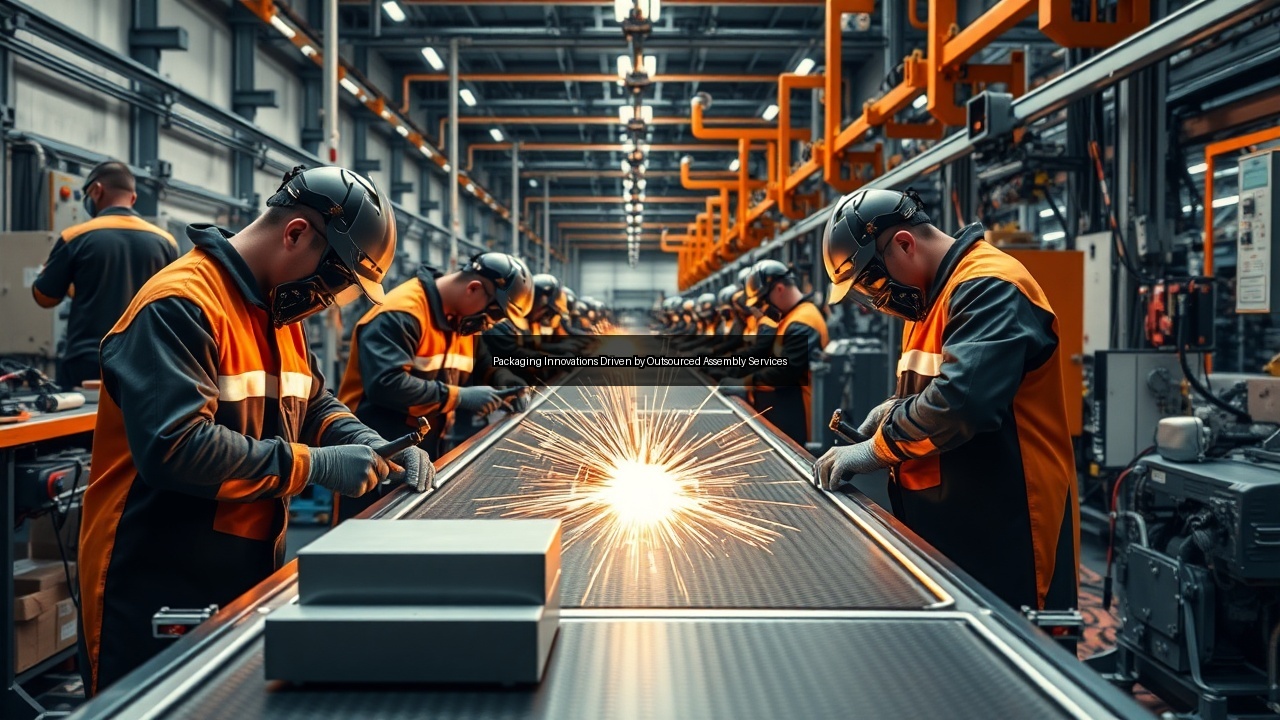
Welding techniques have transformed packaging fabrication, enabling the creation of robust and reliable products. In outsourced assembly services, advanced welding technologies enhance the durability and integrity of packaging solutions. This method is particularly valuable in sectors such as automotive packaging, where strength and resilience are paramount.
Modern welding techniques, such as laser welding and ultrasonic welding, offer precision and efficiency. These methods ensure that packaging components bond seamlessly, minimizing the likelihood of defects or failures. By integrating advanced welding processes, outsourced assembly services can deliver packaging solutions that withstand the rigors of transportation and storage.
Moreover, welding provides design flexibility by allowing the creation of complex shapes and structures. This capability is essential for meeting the specific needs of various industries. Companies can collaborate with outsourced assembly providers to develop customized packaging solutions that enhance functionality while maintaining aesthetic appeal. The impact of welding in packaging fabrication signifies a significant advancement, reinforcing the importance of reliable and innovative outsourced assembly services.
Innovations in Automotive Packaging Architecture
The automotive industry has witnessed remarkable innovations in packaging architecture, driven largely by outsourced assembly services. As manufacturers strive for efficiency and sustainability, new materials and designs emerge to meet these objectives. Lightweight materials, such as advanced composites and polymers, enhance the performance of automotive packaging while reducing overall weight.
Outsourced assembly services enable automotive manufacturers to leverage these innovations by providing access to specialized expertise and cutting-edge technology. By collaborating with assembly providers, companies can develop packaging solutions that not only protect components during transport but also align with environmental sustainability goals.
Additionally, innovations in packaging architecture focus on optimizing space utilization. Efficient designs minimize wasted space during transit, reducing shipping costs and maximizing payload capacity. This approach benefits both manufacturers and consumers by lowering costs while enhancing the overall efficiency of the supply chain. The evolution of automotive packaging architecture demonstrates the transformative power of outsourced assembly services in driving industry advancements.
Future Trends in Outsourcing Services
As industries evolve, future trends in outsourcing services will shape the landscape of assembly and packaging. The increasing demand for customized solutions will drive the need for flexible and agile outsourced assembly services. Companies must adapt to changing consumer preferences by collaborating with partners capable of delivering tailored packaging solutions at scale.
Moreover, advancements in technology will play a crucial role in shaping the future of outsourced assembly. The integration of artificial intelligence and machine learning will enhance predictive analytics, allowing companies to anticipate market trends and adjust their assembly processes accordingly. This capability will lead to more efficient operations and improved time-to-market performance.
Additionally, sustainability will continue to be a driving force in outsourcing decisions. Companies will increasingly seek partners that prioritize eco-friendly practices, from material sourcing to waste management. The emphasis on sustainability will not only align with consumer values but also enhance brand reputation in an environmentally conscious marketplace.
In conclusion, outsourced assembly services stand at the forefront of packaging innovations, driving efficiency, reliability, and quality control. By embracing technological advancements and best practices, businesses can leverage these services to enhance their competitive advantage and meet the ever-evolving demands of the market.