How Humidity Control Can Improve Your HVAC System Efficiency
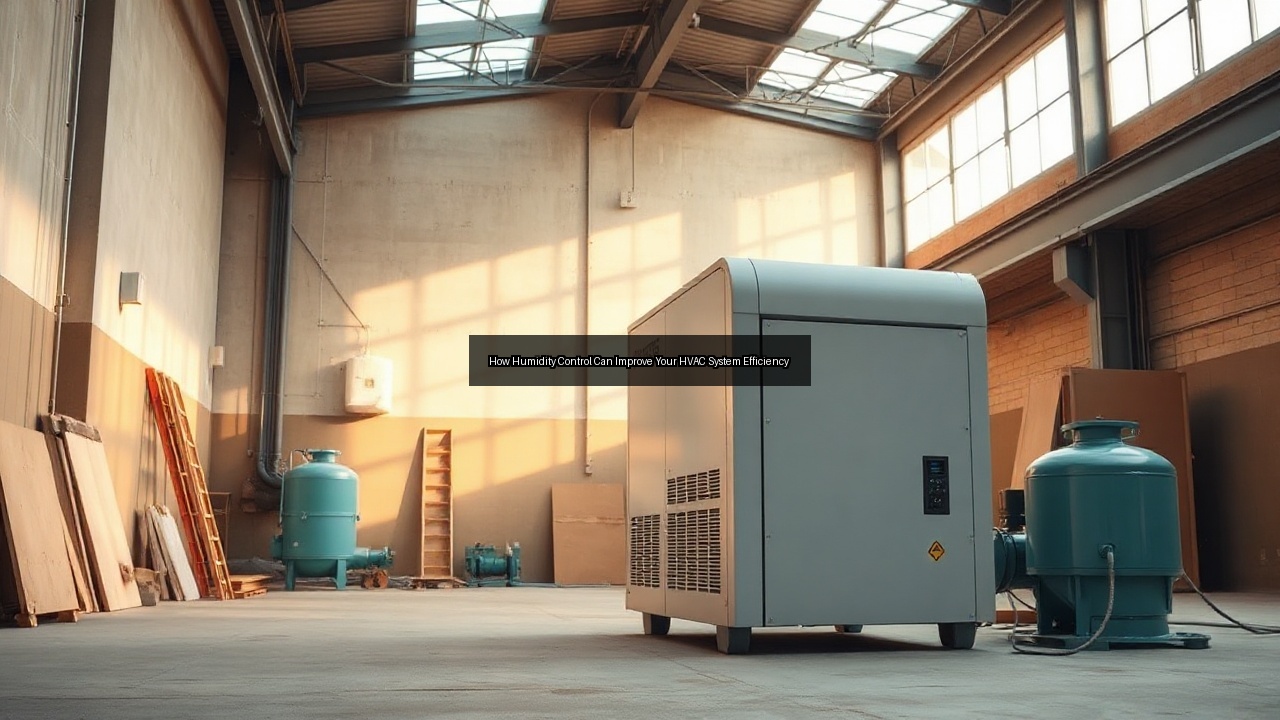
Understanding Humidity and Its Impact on HVAC Efficiency
What is Humidity and Why It Matters
Humidity measures the amount of moisture in the air and plays a crucial role in determining comfort levels in indoor environments. Humidity levels can fluctuate based on various factors, including temperature, air flow, and external weather conditions. Maintaining optimal humidity levels, typically between 30% and 50%, is essential for comfortable living and working spaces. High humidity can cause discomfort, leading to increased reliance on HVAC systems for cooling, which in turn drives up energy consumption. Understanding humidity is vital for enhancing HVAC efficiency and overall indoor air quality.
Effects of High Humidity on HVAC Systems
High humidity poses significant challenges for HVAC systems. When the air holds excessive moisture, the system struggles to cool the space effectively. The air conditioning unit must work harder to remove moisture, leading to increased energy consumption and wear on components. This additional strain can shorten the lifespan of HVAC systems and result in costly repairs. Moreover, high humidity creates an environment conducive to mold growth, which can negatively impact health and air quality. Using a commercial dehumidifier can alleviate these issues by managing moisture levels, allowing HVAC systems to operate more efficiently while maintaining a comfortable environment.
The Relationship Between Temperature and Humidity
Temperature and humidity are closely interconnected, impacting overall comfort and HVAC performance. Warm air can hold more moisture than cooler air, leading to higher humidity levels in warmer months. This relationship complicates cooling efforts, as HVAC systems must dehumidify the air while also cooling it. A well-functioning HVAC system must balance temperature and humidity to maintain comfort. Over time, systems that fail to control humidity effectively can lead to uneven temperatures, increased energy costs, and a less comfortable environment. Implementing humidity control solutions, such as commercial dehumidifiers, can significantly enhance HVAC efficiency and indoor comfort.
The Role of Commercial Dehumidifiers in HVAC Systems
How Commercial Dehumidifiers Work
Commercial dehumidifiers function by extracting excess moisture from the air, thus improving indoor air quality and comfort. These units utilize refrigeration or desiccant methods to remove humidity. Refrigeration dehumidifiers cool the air, causing moisture to condense and drain through a pump or hose. Desiccant dehumidifiers use hygroscopic materials to absorb moisture from the air. The choice of technology depends on the specific application and environment. By integrating a commercial dehumidifier into an HVAC system, businesses can achieve optimal humidity levels, enhancing comfort while reducing the load on the HVAC system.
Types of Commercial Dehumidifiers
Several types of commercial dehumidifiers are available, each designed for specific applications and environments. Portable dehumidifiers offer flexibility and ease of use, suitable for smaller spaces or temporary setups. Whole-house or centralized dehumidifiers connect directly to the HVAC system, providing comprehensive humidity control for larger areas. Industrial dehumidifiers are robust units designed for demanding environments, such as warehouses and construction sites. Each type serves a unique purpose, but all contribute to moisture management and improved HVAC efficiency. When selecting a unit, consider the specific humidity control needs of your space.
Key Features to Look for in a Commercial Dehumidifier
When choosing a commercial dehumidifier, several key features enhance functionality and efficiency. First, consider the capacity, measured in pints per day, which indicates how much moisture a unit can extract. Higher capacities are essential for larger spaces or areas with significant moisture issues. Energy efficiency ratings, such as Energy Star certification, are crucial for reducing operational costs. Look for units with adjustable humidity controls, built-in pumps for easy drainage, and low sound pressure levels for quieter operation. Additionally, features like automatic restart after power outages and continuous drainage options can contribute to hassle-free maintenance and operation.
Benefits of Humidity Control for Energy Efficiency
Reducing Energy Costs with Dehumidification
Effective humidity control leads to significant energy cost savings. When humidity levels remain high, HVAC systems work overtime to cool the air, leading to inflated energy bills. By integrating commercial dehumidifiers into the HVAC system, businesses can reduce humidity, allowing the HVAC to operate more efficiently. Lowering humidity levels can raise the thermostat setting, meaning the cooling system doesn’t have to work as hard. This results in reduced energy consumption and lower costs while extending the lifespan of the HVAC system. Businesses that prioritize humidity control can achieve substantial savings on their energy bills over time.
Improving Air Quality and Comfort
Humidity control plays a vital role in enhancing indoor air quality and overall comfort. High humidity often leads to mold growth, dust mites, and other allergens, negatively impacting health. By maintaining optimal humidity levels, commercial dehumidifiers help mitigate these risks, creating a healthier environment for occupants. Moreover, comfortable humidity levels improve the perceived temperature, allowing occupants to feel cooler without lowering the thermostat. This improved comfort leads to increased productivity and satisfaction, making humidity control a critical factor in any commercial space.
Preventing Mold Growth and Water Damage
Maintaining proper humidity levels is essential for preventing mold growth and water damage in commercial spaces. Excess moisture can lead to structural issues, ultimately costing businesses significant amounts in repairs and dehumidifiers for commercial renovations. By utilizing commercial dehumidifiers, businesses can effectively manage moisture levels, reducing the risk of mold and water-related problems. Regular dehumidification not only protects the integrity of the building but also ensures a safe and healthy environment for employees and customers. Investing in moisture control measures is a proactive approach to safeguarding assets and promoting long-term sustainability.
Selecting the Right Commercial Dehumidifier for Your Space
Sizing Your Dehumidifier: Pints, CFM, and Ton Considerations
Choosing the right commercial dehumidifier involves understanding sizing metrics such as pints per day, CFM (cubic feet per minute), and tonnage. Pints per day indicates the amount of moisture a unit can remove within 24 hours, directly correlating to the size of your space and the humidity levels present. CFM measures air flow, impacting how quickly the dehumidifier can process the air in a room. Tonnage refers to the cooling capacity of HVAC systems and can provide insight into the necessary dehumidification requirements. Proper sizing ensures efficient operation and maximizes the benefits of humidity control.
Installation and Maintenance Tips
Proper installation and maintenance are key to maximizing the efficiency of commercial dehumidifiers. Follow the manufacturer’s guidelines for placement, ensuring adequate air flow around the unit. Regular maintenance, including filter changes and cleaning, is essential to keep the unit operating effectively. Also, check for any drainage issues with pumps and hoses to prevent water buildup. Scheduling periodic professional inspections can help identify potential issues before they escalate, ensuring the dehumidifier continues to function optimally. A well-maintained dehumidifier integrates seamlessly into the HVAC system, enhancing efficiency and comfort.
Common Applications: Warehouses, Spas, and More
Commercial dehumidifiers find applications in a variety of settings, including warehouses, spas, and construction sites. In warehouses, controlling humidity is crucial for protecting inventory from moisture damage and mold growth. Spas require humidity control to enhance comfort and maintain air quality, ensuring a pleasant experience for guests. Construction sites benefit from dehumidification to expedite drying processes and minimize the risk of water damage. Each application highlights the versatility of commercial dehumidifiers and underscores their importance in maintaining optimal humidity levels across different environments.
See Also
- Understanding the Sound Pressure Level of Your Dehumidifier
- Maximizing Warehouse Efficiency with Commercial Dehumidifiers for Optimal Moisture Control
- The Impact of Humidity on Product Quality in Commercial Environments
- The Role of Energy Star Rated Dehumidifiers in Reducing Operational Costs for Businesses